The Original Vows of Ksitigarbha Bodhisattva Sutra

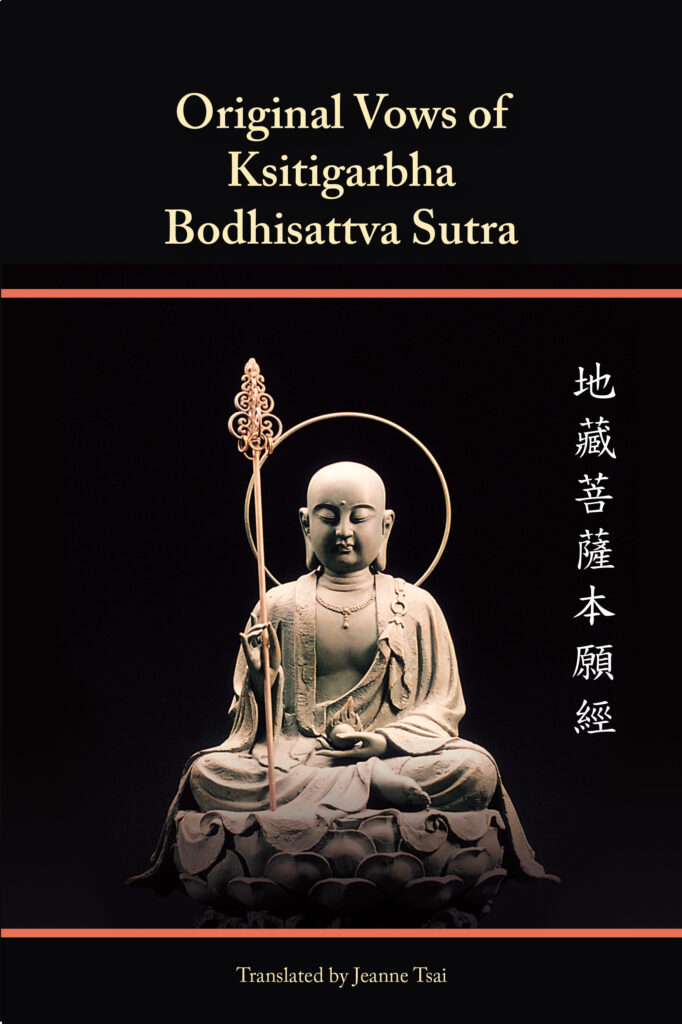
The Original Vows of Ksitigarbha Bodhisattva Sutra

The Original Vows of Ksitigarbha Bodhisattva Sutra is a Mahayana Buddhist teaching on Ksitigarbha Bodhisattva, who vowed not to attain final enlightenment until after the hell realm is emptied. The sutra illustrates how Ksitigarbha became a bodhisattva with his great vows for the well-being of all sentient beings. In addition, the practices of Ksitigarbha bring 28 auspicious results to oneself.

Content

  • Introduction by Venerable Master Hsing Yun
  • Incense Praise
  • Sutra Opening Verse
  • Original Vows of Ksitigarbha Bodhisattva Sutra
    1. Spiritual Penetration in Trayastrimsa Heaven
    2. The Assembly of the Emanations
    3. Observing the Karmic Conditions of Living Beings
    4. The Karmic Consequences of Living Beings of Jambudvipa
    5. The Names of the Hells
    6. The Praise of the Tathagata
    7. Benefiting the Living and the Deceased
    8. The Praise of King Yama and His Retinue
    9. Reciting the Names of Buddhas
    10. Comparing the Conditions and Virtues of Giving
    11. The Dharma Protection of the Earth Spirit
    12. The Benefits from Seeing and Hearing
    13. Entrusting Humans and Devas
  • Praise
  • Praise of Ksitigarbha Bodhisattva
  • Triple Refuge
  • Dedication of Merit

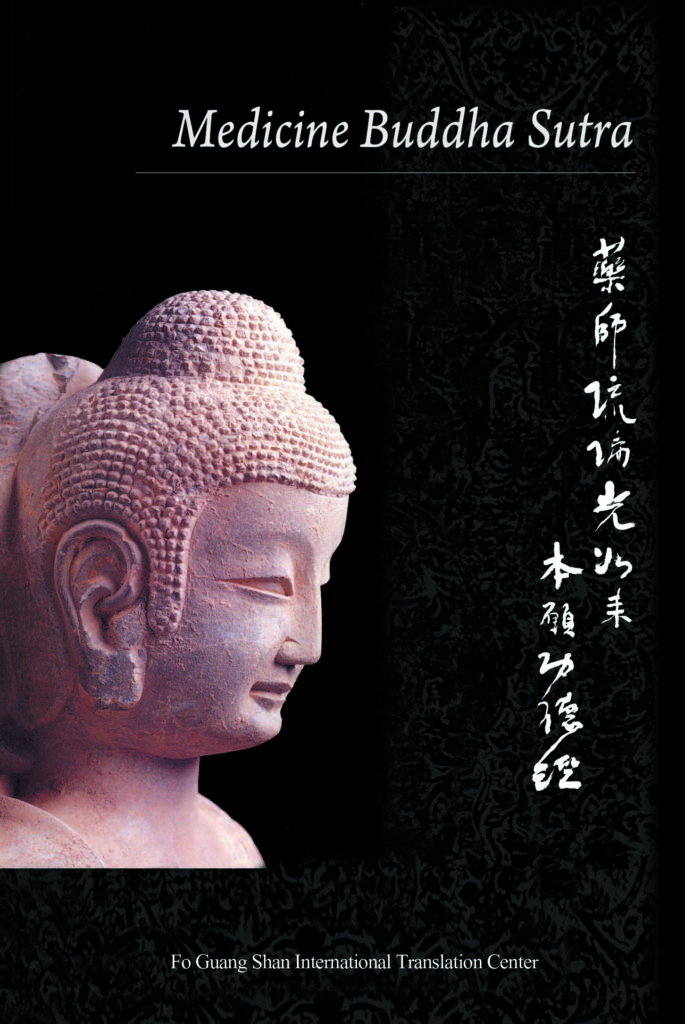
The Medicine Buddha Sutra

The Medicine Buddha Sutra

Medicine Buddha, the Buddha of healing in Chinese Buddhism, is believed to cure all suffering (both physical and mental) of sentient beings. The Medicine Buddha Sutra is commonly chanted and recited in Buddhist monasteries, and the Medicine Buddha’s twelve great vows are widely praised.

Content

  • Incense Praise
  • Sutra Opening Verse
  • Medicine Buddha Sutra
  • Triple Refuge
  • Dedication of Merit
  • A Prayer to Medicine Buddha

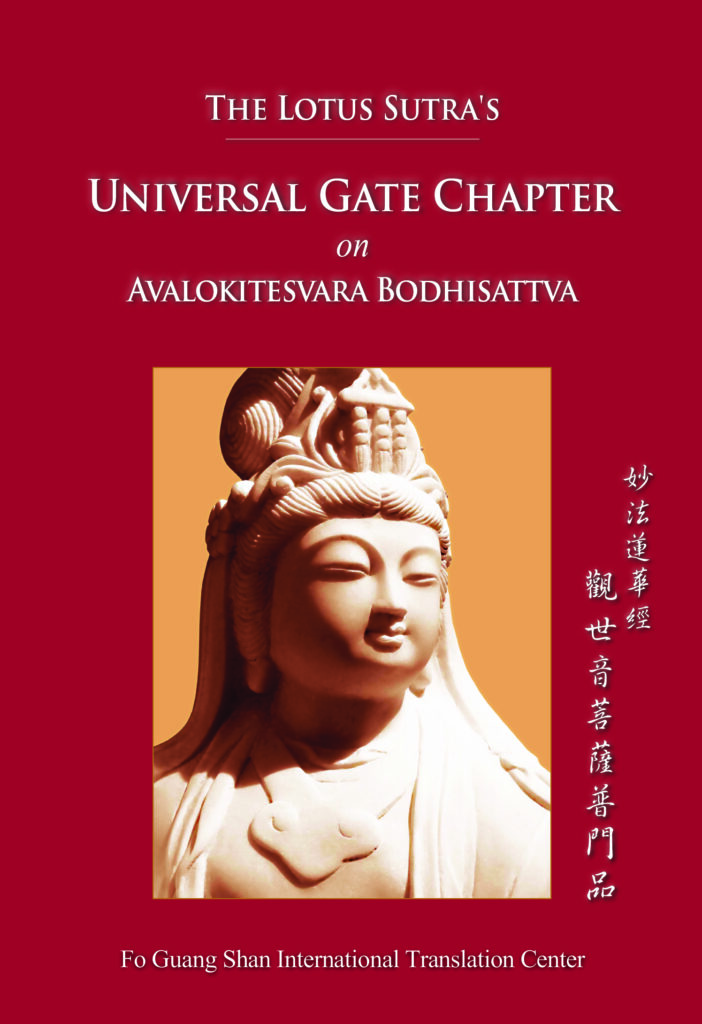
The Lotus Sutra’s Universal Gate Chapter on Avalokitesvara Bodhisattva

The Lotus Sutra’s Universal Gate Chapter on Avalokitesvara Bodhisattva

“The Universal Gate Chapter” introduces the compassionate visage of Avalokitesvara Bodhisattva (Chinese: Guanyin), who has been a source of inspiration and devotion for Buddhists and non-Buddhists for centuries. This short chapter of The Lotus Sutra, chanted and memorized throughout East Asia, is believed to be a strong protection of our body and mind.

Content

  • Praise of Holy Water
  • Sutra Opening Verse
  • The Lotus Sutra’s Universal Gate Chapter on Avalokitesvara Bodhisattva
  • Heart Sutra
  • Dharani of Great Compassion
  • Triple Refuge
  • Dedication of Merit
  • Glossary

An Inspiration to Give Rise to the Bodhi Mind

An Inspiration to Give Rise to the Bodhi Mind

An Inspiration to Give Rise to the Bodhi Mind was composed by the 11th patriarch of the Chinese Pure Land School, Master Xing’an (1686–1734), when he experienced sudden enlightenment and generated the great vows of enlightenment for all sentient beings. He emphasizes the importance of generating the enlightenment mind and how to stabilize the vow in life-long practice. May it encourage the rise of your bodhi mind.

Content

  • Incense Praise
  • Sutra Opening Verse
  • An Inspiration to Give Rise to the Bodhi Mind
  • Triple Refuge
  • Dedication of Merit
  • Glossary

The Heart Sutra

The Heart Sutra

Master Xuan Zang went through numerous extreme hardships and dangers on his way to India for requesting the Dharma. During his difficult journey, he heavily relied on The Heart Sutra (Prajñāpāramitāhṛdaya) and the profound meaning of Prajnaparamita. Eventually, he reached Nanlanda University, learned Sanskrit, and became the prominent master and translator in Chinese Buddhism.

Great Compassion Mantra

The Heart Sutra

Master Xuan Zang went through numerous extreme hardships and dangers on his way to India for requesting the Dharma. During his difficult journey, he heavily relied on The Heart Sutra (Prajñāpāramitāhṛdaya) and the profound meaning of Prajnaparamita. Eventually, he reached Nanlanda University, learned Sanskrit, and became the prominent master and translator in Chinese Buddhism.

The Forty-Eight Vows of Amitabha Buddha

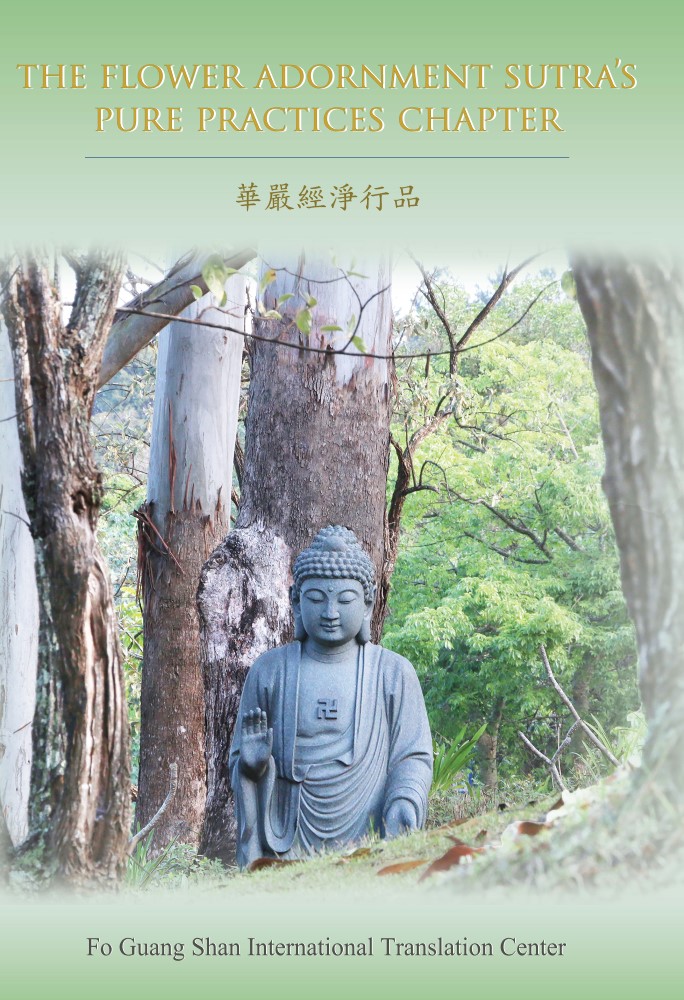
The Flower Adornment Sutra’s Pure Practices Chapter

Out of his great compassion, Amitabha Buddha generated forty-eight vows and created the Western Pure Land for all virtuous practitioners. Regardless of whether we want to be reborn in the Pure Land, it is important for us practitioners to always be reminded of his great vows and to contemplate them in order to cultivate our own mind of compassion.

The Flower Adornment Sutra’s Pure Practices Chapter

The Flower Adornment Sutra’s Pure Practices Chapter

In The Flower Adornment Sutra’s “Practices and Vows of Samantabhadra Bodhisattva Chapter,” Samantabhadra teaches that there are ten great practices and vows for us to cultivate.

This text outlines his vows for modern practitioners for better understanding and practice, with an emphasis on the last and most poignant vow: to dedicate all virtues and merits earned through good deeds to eternally benefit all sentient beings.

Content

  • Praise of Incense Offering
  • Sutra Opening Verse
  • The Flower Adornment Sutra’s Pure Practices Chapter
  • The Seven Buddhas’ Negative Karma Purification Mantra
  • Admonition of Samantabhadra Bodhisattva
  • Triple Refuge
  • Dedication of Merit
  • Glossary

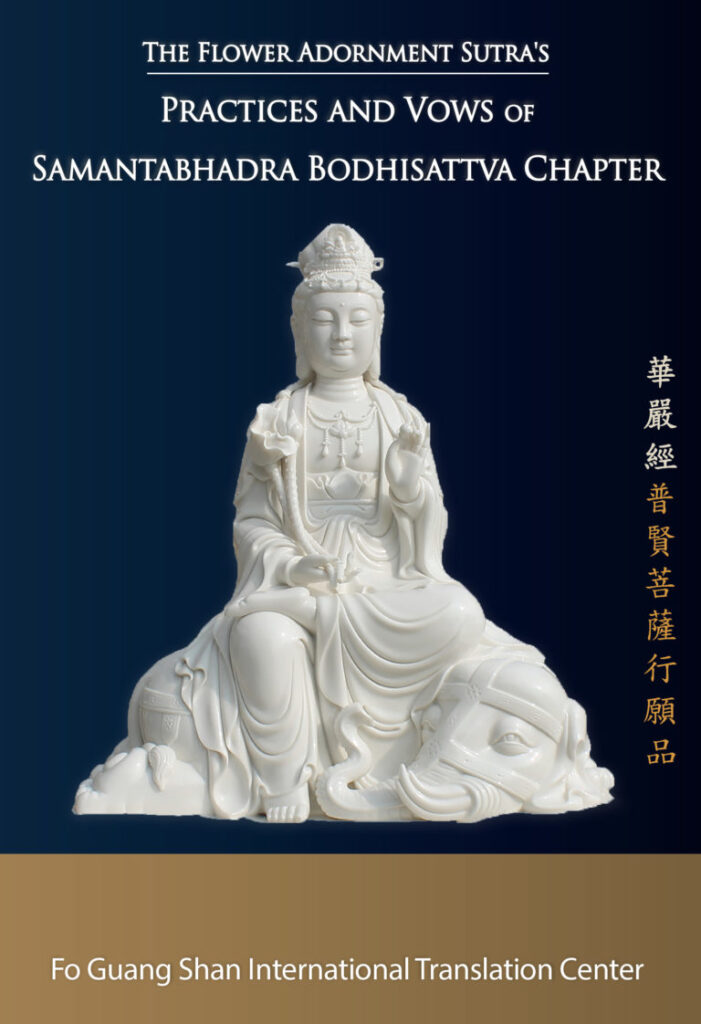
The Flower Adornment Sutra’s Practices and Vows of Samantabhadra Bodhisattva Chapter

The Flower Adornment Sutra’s Practices and Vows of Samantabhadra Bodhisattva Chapter

In The Flower Adornment Sutra’s “Practices and Vows of Samantabhadra Bodhisattva Chapter,” Samantabhadra teaches that there are ten great practices and vows for us to cultivate.

This text outlines his vows for modern practitioners for better understanding and practice, with an emphasis on the last and most poignant vow: to dedicate all virtues and merits earned through good deeds to eternally benefit all sentient beings.

Content

1. Pay homage to all Buddhas
     — Have respect for all sentient beings.
2. Praise the Tathagatas
     — Practice giving through language and speech.
3. Extensively cultivate making offerings
     — Create good affinities with others.
4. Repent and reform karmic obstacles
     — Practice introspection in daily living.
5. Rejoice in virtue
     — Purify our intentions.
6. Request the turning of the Dharma wheel
     — Request the teaching of the truth.
7. Request that the Buddhas remain in the world
     — Be respectful and courteous to the sagely and virtuous.
8. Always study with the Buddhas
     — Follow the wise.
9. Constantly accord with sentient beings
     — Have regard for the viewpoints and needs of sentient beings.
10. Universally dedicate all virtue
     — Integrate all Dharma realms.

The Difficulty of Repaying the Profound Kindness of Parents Sutra

The Difficulty of Repaying the Profound Kindness of Parents Sutra

When we are born, we may know only that the warmth of our mother and father is there to comfort us. When we grow as children, we may know only that our parents are there to guide and encourage us. When we become teenagers, we may think that our parents are there only to discipline us. When we become adults, we may think that our parents are irrelevant—what could they possibly know about our careers, our love lives, and our daily existence in this world?

Often, it is not until something stops and reminds us that we realize our parents endured great pain and sacrifice to keep us healthy, feed and clothe us, educate us, and raise us into adulthood. That “something” may be the death of a parent, or it may be when we have our own children.

The Difficulty of Repaying the Profound Kindness of Parents Sutra serves as another kind of reminder that we all owe a great deal to our parents. Best of all, it demonstrates a way to show our appreciation for them and to repay their kindness.

The sutra presents the teachings of the Buddha to his great disciple, Ananda, and “a gathering of monks numbering two thousand five hundred, and bodhi­sattvas and great bodhi­sattvas numbering thirty-eight thousand in all” in Jeta Grove in the city of Sravasti.

Content

  • Incense Praise
  • Sutra Opening Verse
  • The Difficulty of Repaying
    the Profound Kindness of Parents Sutra
  • A Prayer for Our Parents, Relatives, and Friends
  • A Prayer for the Birthdays of Our Parents
  • Triple Refuge
  • Dedication of Merit